
Truck Trailer Supplier Evaluation: Verifying Mixed-Order Capability and Delivery Assurance
Buyers who order semi-trailers and heavy trucks on the same purchase order are not just consolidating freight — they are testing whether a supplier's trailer line and truck line can be specified, inspected and shipped as one controlled package. This article sets out a verification method for that exact situation: how to cross-check a supplier's stated capability against model-level specifications, and how to build delivery assurance around axle configuration, steel grades and documented inspection before a single deposit is paid.
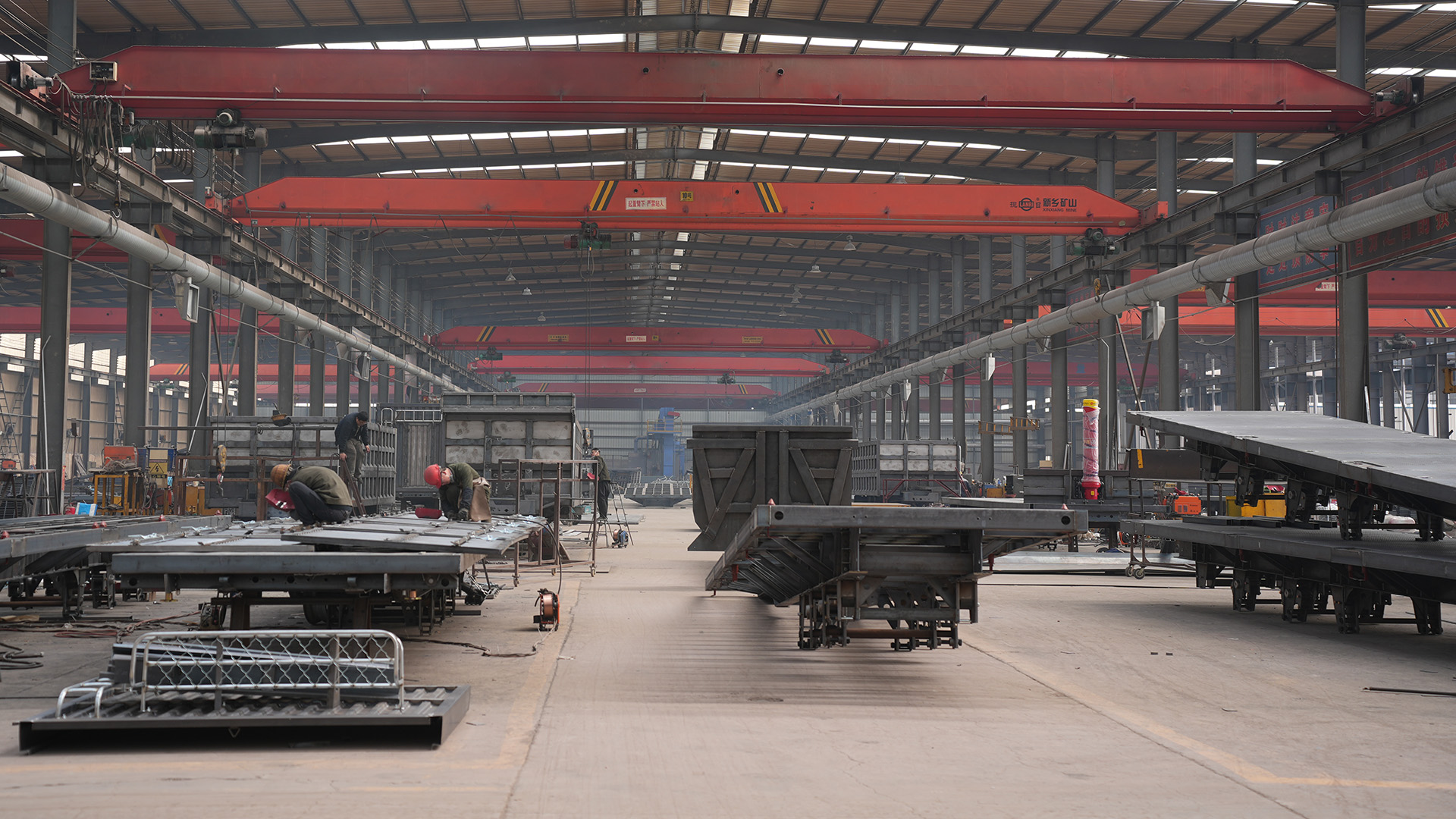
What to verify before you commit to a mixed order
- Model-level specification sheets, not catalogue ranges.
- The steel grade behind the stated payload — Q345B, Q550/Q690, HG785D or wear-resistant floor plate.
- Axle count and axle load per axle, plus king pin size (2" or 3.5") and fifth-wheel capacity where tractors are involved.
- Component identity on container equipment: ISO 1161 twist locks and JOST or SAF landing gear.
- The exact product name and scope printed on each certificate — a document that names a different product does not cover your trailer.
- A written inspection and shipping sequence for trailers and trucks travelling together.
Problem Definition: Why Mixed Orders Fail in Different Ways Than Single-Line Orders
A single-product order fails in one place. A mixed order fails in the gaps between two product families. Three gaps appear repeatedly during supplier evaluation.
Gap 1 — Specification drift between product families. Trailer data and truck data are usually held by different people inside the same supplier. A buyer may receive a flatbed semi trailer sheet quoting an overall length of 12,500–16,000 mm and a lowbed sheet quoting 40–100 tons of payload capacity, while the tractor quotation lists only engine horsepower and no gross combination weight. The result is a package that looks complete but cannot be checked against a load plan.
Gap 2 — Load-path mismatch. A flatbed semi trailer rated at 40–60 tons of payload, a lowbed with 13–16 tons per axle, a container chassis with 13 tons per axle and a tractor unit with a fifth-wheel capacity of 20,000 kg are four separate ratings. If any one of them is quoted loosely, the limiting number in the train becomes invisible until the first overweight load.
Gap 3 — Documentation scope mismatch. Certificates are frequently presented as a package without their scope being read. A CE certificate can name a completely different product from the one being purchased; a quality management certificate can cover sales activity while saying nothing about a specific trailer's structure. Treating a certificate as a blanket approval is one of the most common evaluation errors in tractor and trailer sourcing.
Gap 4 — Delivery sequencing. Trailers and trucks rarely finish production on the same day. If the order has no stated inspection trigger, no sequencing rule and no defined handover point, the buyer absorbs the coordination cost — usually in demurrage, storage or a partial shipment that cannot be put into service.
Industry Background: A Market Where Consolidation Is Being Tested
The commercial case for mixed sourcing is real. Grand View Research estimates the global semi-trailer market at USD 22.8 billion in 2024, with a projected path to USD 42.3 billion by 2033, and lowboy trailers alone accounted for 25.7% of that market in 2024. Heavy-truck supply is equally concentrated: Sinotruk's heavy-duty truck exports reached 135,000 units in 2024, Shacman exported 25,000 units in the same year — a 35% year-on-year increase — and Foton recorded 523,000 units in total Chinese truck sales for 2024, including more than 100,000 exports.
Two regulatory anchors matter when the mixed order crosses a border. In Europe, the transport of dangerous goods in fuel and tank trailers falls under the ADR Agreement, which means tank equipment must be assessed against ADR requirements rather than against a general trailer specification. In the United States, the Federal Motor Carrier Safety Administration requires annual safety inspections for trailers with a GVWR over 10,001 lbs under 49 CFR 396.17. Neither requirement is satisfied by a supplier's general quality certificate; both must be traced to the specific unit.
Shandong Luen Auto Co., Ltd. (Luen Auto) is a trailer and truck manufacturer and exporter based in Xuji Industrial Park, Liangshan County, Jining City, Shandong Province, China. Founded in 2020, the company operates a factory of more than 50,000 m² with an annual output of 1,500 units and an export ratio of approximately 80%, serving markets in Africa, South America and the Middle East. Its product range spans both sides of a mixed order: semi-trailers (lowbed, flatbed, dump, skeleton, van, fuel tank, dust tank and CNG tank) and trucks (tractor truck, used tractor truck, dump truck, used dump truck, HOWO truck, Shacman truck, light duty truck and Foton truck).
Detailed Solution: Four Verification Layers for a Mixed Order
Layer 1 — Verify the Trailer Side by Model, Not by Category
Ask for the model-level variant behind every trailer line in the quotation, then check the parameter against a physical limit.
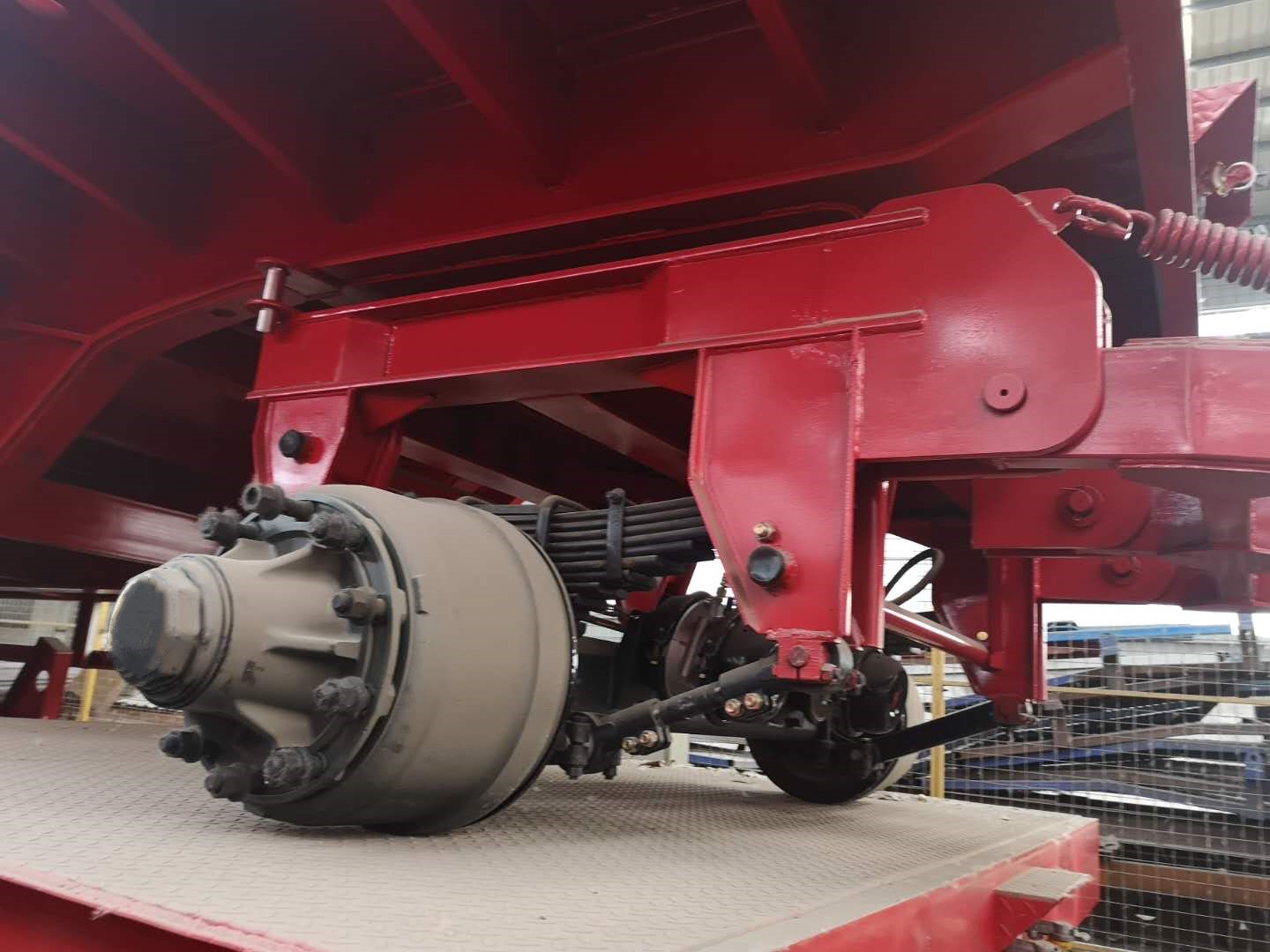
- Flatbed semi trailer. The 3-axle 40 ft and 3-axle 45 ft variants should be quoted with an overall length of 12,500–16,000 mm (standard 13,000 mm), a deck height of 1,250–1,550 mm, a payload capacity of 40–60 tons, 2 or 3 axles at 13 tons per axle, a 2" or 3.5" king pin, and tie-down rings spaced every 500 mm. Frame material is Q345B or Q550 high-tensile steel with a steel checker plate or hardwood floor.
- Lowbed semi trailer. The 3-axle and 4-axle lowboy variants carry a payload capacity of 40–100 tons, a loaded deck height of 450–600 mm, an overall length of 11,000–18,000 mm, an axle load of 13–16 tons per axle, and a fixed or hydraulic detachable gooseneck. Main beam material is Q550 or Q690 high-strength steel, with HG785D quenched and tempered steel also used. This is the highest-stress product in most mixed orders and deserves the strictest evidence.
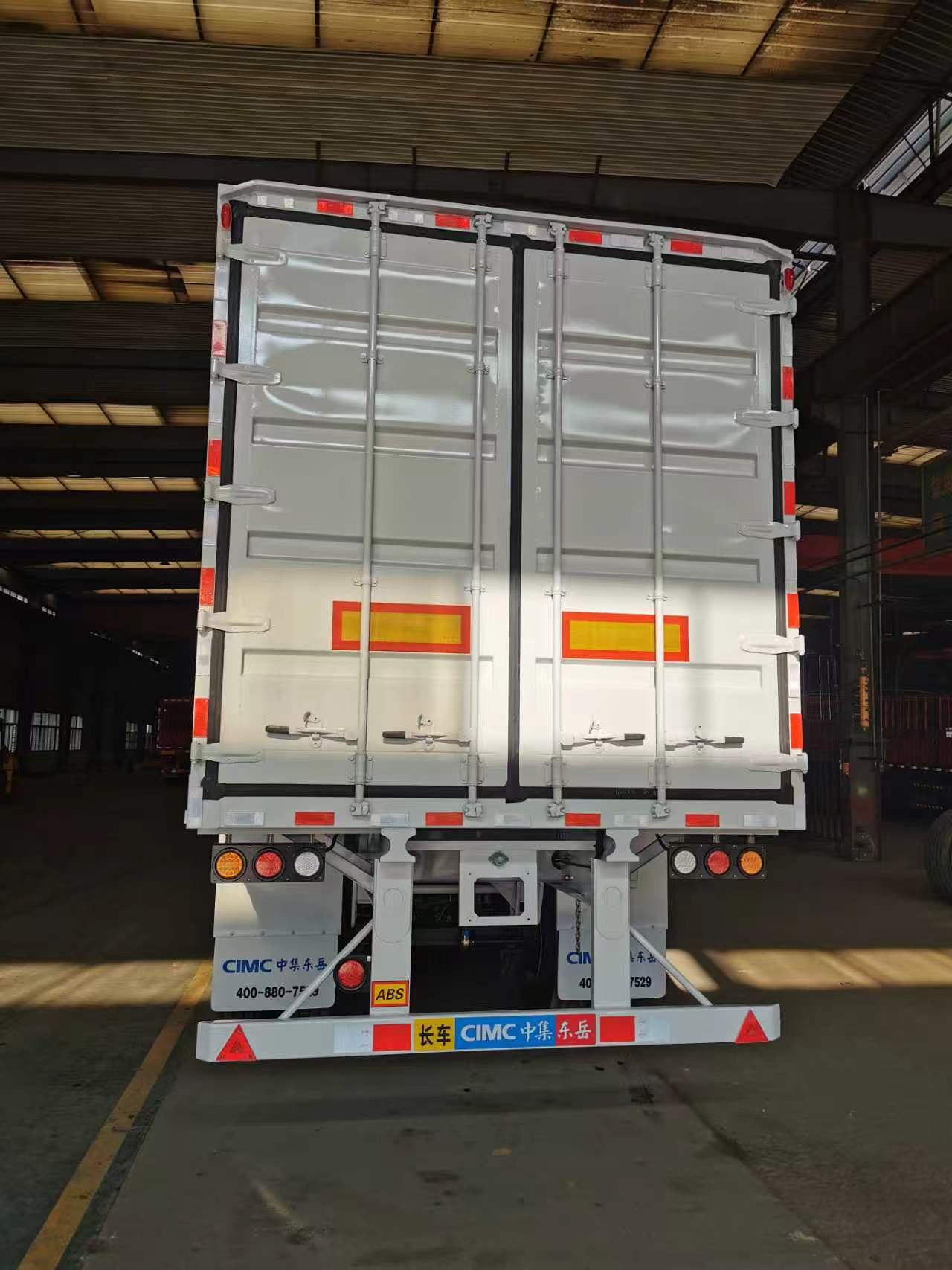
- Container chassis / skeleton trailer. Confirm 20 ft, 40 ft and 45 ft ISO container compatibility, a payload of 30–65 tons, 4, 6 or 8 ISO 1161 compliant twist locks, and JOST or SAF landing gear. Q345B main beams are the stated frame material. If a quotation mentions "container trailer" without the twist-lock count and the landing gear brand, the specification is not yet verifiable.
- Fuel tank trailer. Verify a tank capacity of 20,000–50,000 litres, 1–6 compartments, tank thickness of 5–8 mm, a GVW of 40,000–42,000 kg, a payload of 28,000–35,000 kg and 3 axles at 13 tons each. Material selection — Q235B or Q345B carbon steel, 304/316 stainless steel or 5083 aluminium alloy — should be stated explicitly because it changes both the load and the compliance path.
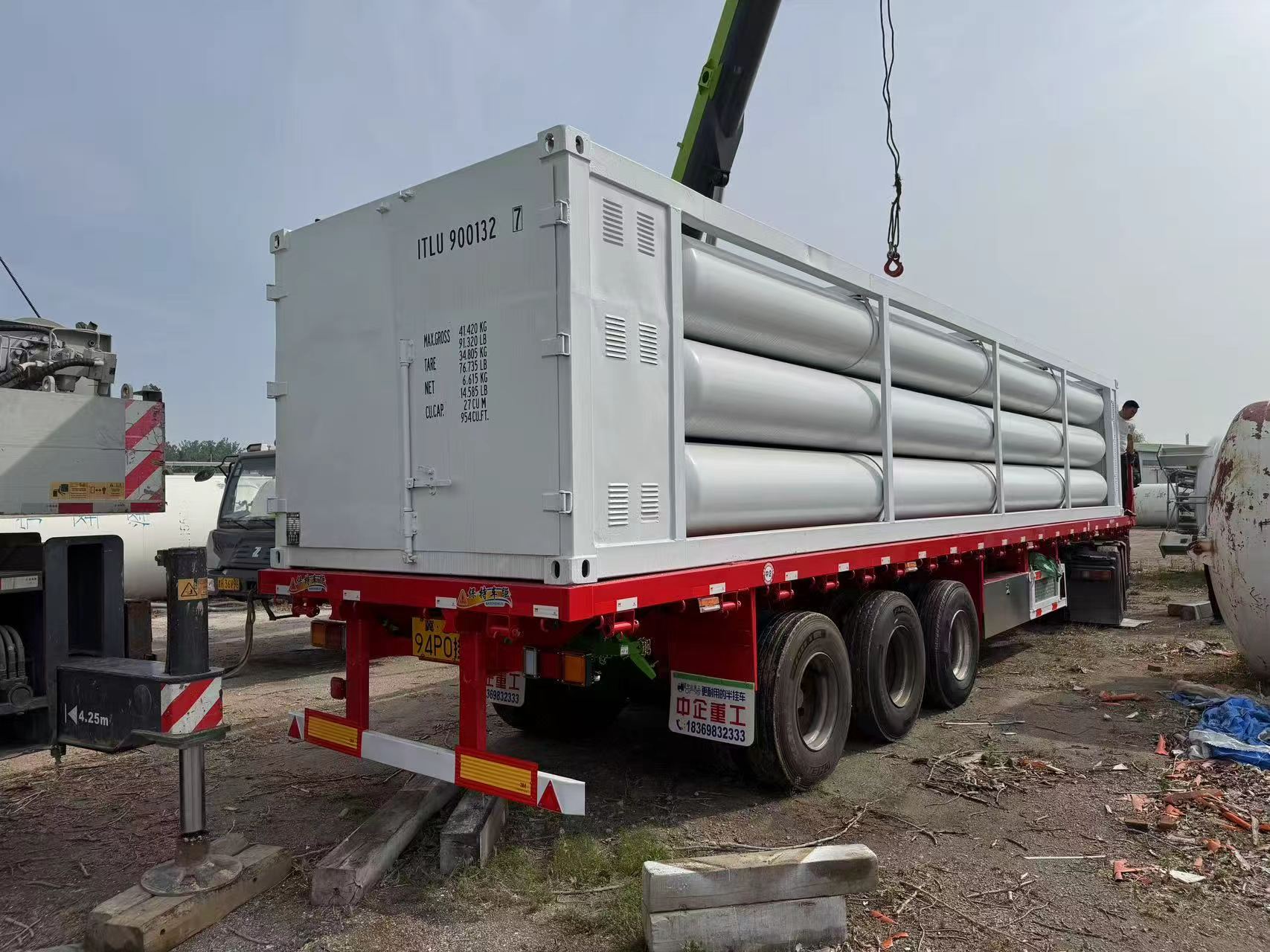
- CNG tube trailer. The verifiable parameters are a working pressure of 20–25 MPa, 8, 10, 12, 16 or 20 tubes, tube diameters of 406–559 mm, a total water volume of 3,000–8,000 litres, a gas capacity of 2,000–6,000 Nm³ and a GVW of 40,000–42,000 kg. Cylinder material is 37Mn seamless steel or chrome-moly steel, and the safety package should list a pressure relief valve, emergency shutoff and earthing reel.
- Powder tank (dust tank) trailer. Volume options are 32, 40, 45, 50 and 60 m³, with a specific model-level reference being the 3-axle 40 m³ bulk cement trailer. Working pressure is 0.196–0.2 MPa and test pressure is 0.26 MPa; discharge performance is stated as 1.6 tons per minute, with a vertical discharge height of up to 15 m and a horizontal distance of up to 5 m. Payload is 25,000–35,000 kg at a GVW of 40,000–42,000 kg.
- Dump semi trailer. The 3-axle and 4-axle U-type or rectangular variants carry a payload of 30–60 tons, a box volume of 20–40 m³, an 8–12 mm floor in Q345B or optional HARDOX wear-resistant steel, a tipping angle of 45–50° and an axle load of 13 tons per axle.
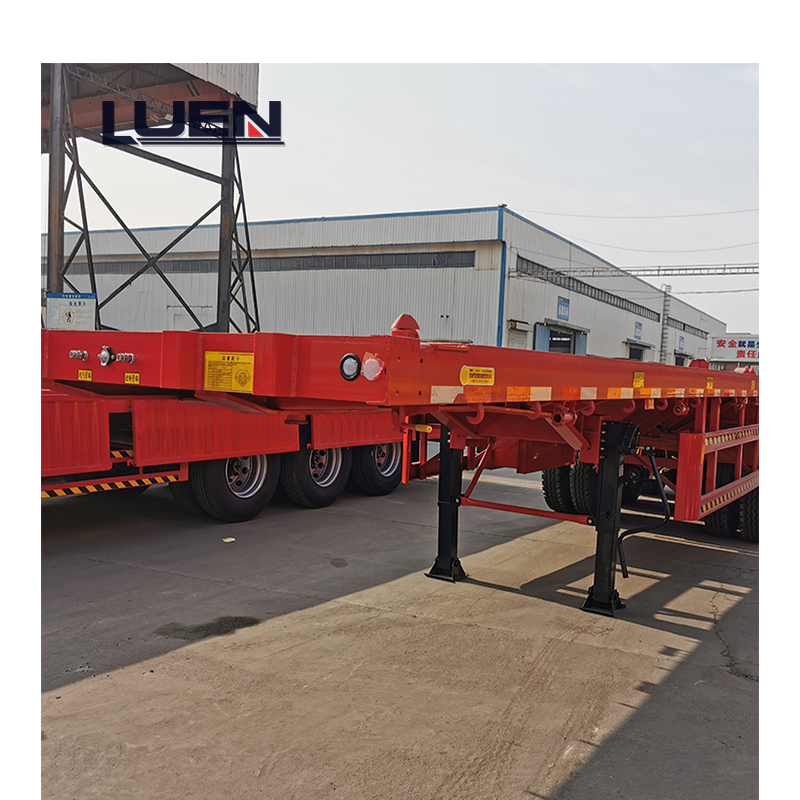
Layer 2 — Verify the Truck Side by Model Series
Truck quotations are commonly written at brand level. They should be written at series level, because within one brand the specification spread is wide.
- HOWO tractor truck. Expect model-level entries such as HOWO A7 6×4 371HP, HOWO TX 6×4 420HP or 480HP, HOWO NX 6×4 400HP, HOWO 4×2 336HP and HOWO T7H 6×4 540HP. Engine options run from 336 HP to 540 HP with a displacement of 9.726 L or 12.54 L, and GCW is quoted at 40,000–120,000 kg. The fifth wheel is a 90# (2" pin) coupling rated at 20,000 kg, with a fuel tank of 400–800 litres.
- Shacman tractor truck. Expect Shacman X3000 6×4 380HP or 420HP, H3000 6×4 385HP or 430HP, F3000 6×4 375HP and L3000 4×2 340HP. Power spans 270–550 HP on Weichai WP12.380/WP12.420, Cummins ISM385/ISM420 or MAN D2066 engines, with GCW of 40,000–100,000 kg and the same 90# fifth wheel at 20,000 kg.
- HOWO dump truck. Model-level entries include HOWO A7 6×4 371HP, HOWO TX 6×4 420HP and HOWO NX 6×4 400HP, plus 8×4 and 4×2 variants. GVW is 25,000–49,000 kg with a rated payload of 16–40 tons and a cargo box of 14–30 m³ in U-shape or rectangular form.
- Shacman dump truck. Entries run from Shacman X3000 6×4 380HP and 8×4 through H3000 6×4 to F3000 6×4, with 340–550 HP on Weichai WP12.380/WP12.420 or Cummins ISM385/ISM440 engines, a GVW of 31,000–49,000 kg, a rated payload of 20–40 tons and a box volume of 14–25 m³.
- Light duty truck. The 4×2 HOWO light duty range covers tipper models at 140 HP and 160 HP and cargo models at 170 HP, with GVW of 8,000–16,000 kg, a rated payload of 5–10 tons, cargo box volume of 5–12 m³, a 3,800 mm wheelbase and Euro II, III or IV emission options.
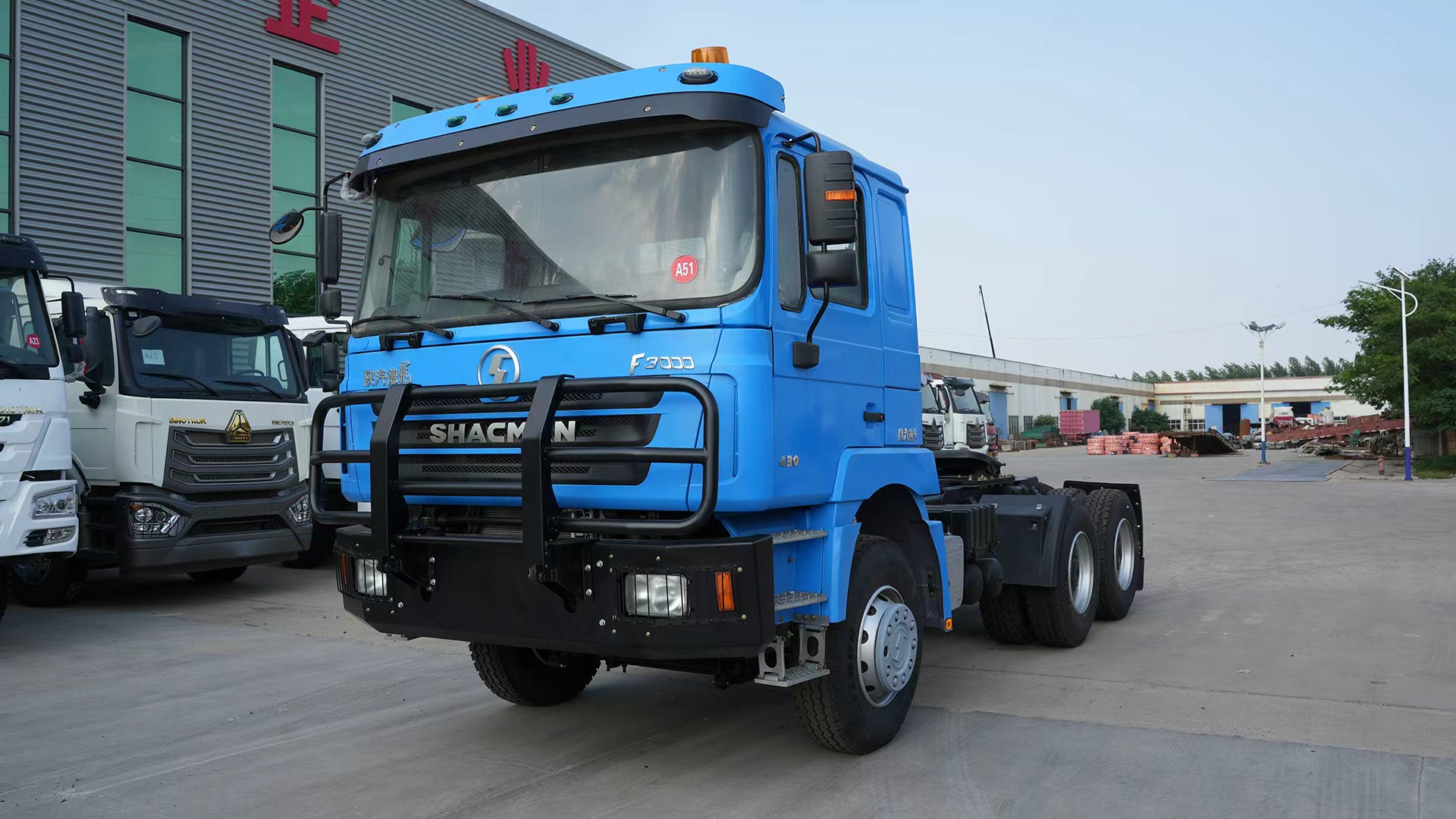
Layer 3 — Verify the Material Grades Behind the Payload
Payload figures are outcomes; steel grades are the inputs that produce them. A supplier that can name the grade it will use is a supplier that can be audited against a mill certificate.
- Q345B appears across flatbed main beams, container chassis main beams, dump semi-trailer frames and boxes, and powder tank shells. It is the standard structural grade and the baseline against which upgrades should be described.
- Q550 and Q690 are specified for higher-load structures, including lowbed main beams and flatbed main beams in higher-rating configurations. Asking which beam grade is used is the fastest way to test whether a lowbed's 40–100 ton payload claim is structurally supported.
- HG785D quenched and tempered steel is listed for lowbed applications alongside Q550/Q690, and HARDOX wear-resistant plate is an option for dump semi-trailer floors, where the standard floor is 8–12 mm.
- 37Mn seamless steel is the cylinder material for CNG tube trailers, with Q345B used for the frame — a different steel specification from any liquid tank trailer and a useful cross-check that the supplier understands the pressure boundary.
- 5083 aluminium alloy is offered as a lightweight alternative on powder tank trailers, while stainless steel 304/316 is specified for food-grade and chemical tank service.
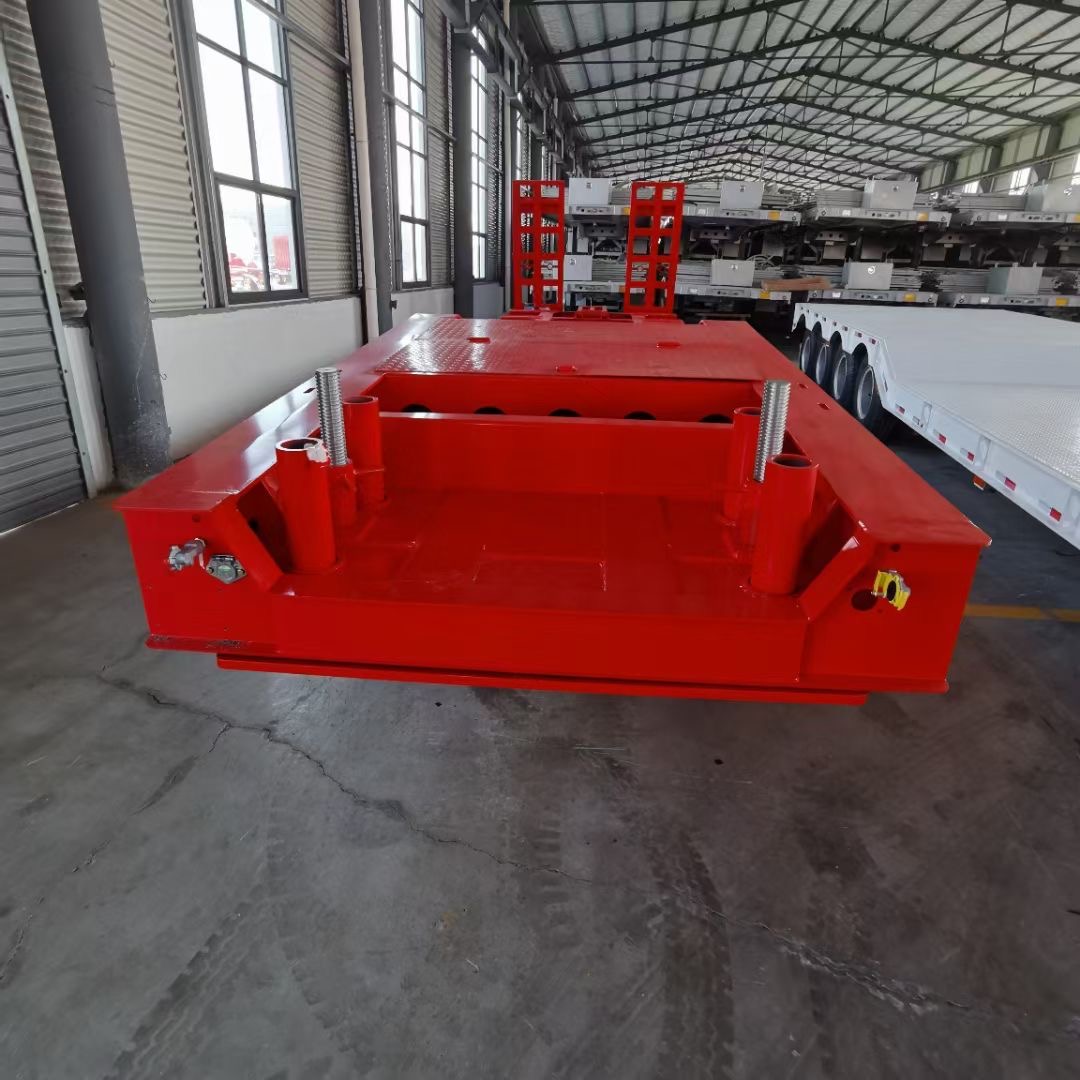
Layer 4 — Verify Delivery Assurance and Documentation Scope
Delivery assurance is not a promise about dates; it is a set of checkpoints that can be scheduled.
- Inspection before shipment. Confirm in writing that inspection is 100% before shipment and that in-house testing covers load testing, brake performance testing and dimensional verification. These are the three tests that most directly correspond to the load-path risks identified earlier.
- Component identity. JOST or SAF landing gear on container chassis and ISO 1161 twist locks are named components, not generic fittings. Named components can be photographed and matched against the packing list.
- Certificate scope. ISO 9001:2015 certification (GB/T 19001-2016) under certificate number 47424Q2464R0S, issued by ZHONGNUO CERTIFICATION CO., LTD. and valid from 2024-10-09 to 2027-10-08, carries an explicit scope: the sales of semi trailer, semi trailer parts and tractor. That scope statement is what makes the certificate relevant to a mixed order. Separately, CE certificate CPSC2106112201E issued by CPStes under EU Directive (EU) 2015/863 and the IEC 62321 series applies to wheel lock model 201L1-A in the EU market — a useful example of why the product name on a certificate must be read before the certificate is counted as evidence.
- Intellectual property chain. The LUEN AUTO domestic trademark registration 86628573 issued by the China National Intellectual Property Administration, the LUEN brand trademark certificate TMZC86619669D01T260306, and China Appearance Design Patent Certificate ZL 2021 3 0278988.9 are all Mainland China instruments. They support brand and design ownership claims; they are not product performance approvals, and they should not be presented as such.
- Warranty split. For a mixed order the warranty must be split by asset class. New trucks carry a 1-year warranty supported by local Sinotruk agent service points for on-site repair; trailer driving and supporting devices carry 6 months; trailer carrying devices carry 1 year. A buyer who receives one blanket warranty sentence should ask for this breakdown.
Step-by-Step Breakdown: Running the Evaluation
- Build a mixed-order specification sheet. One line per unit, each with category, model-level variant, payload or GVW, axle configuration and king pin or fifth-wheel rating. Do not accept a category name alone.
- Request model-level spec sheets for both families. For trailers, the sheet should show the figures in Layer 1. For trucks, it should show the series name plus engine, GCW or GVW and coupling rating.
- Cross-check the load path. Compare trailer axle load (13 tons per axle standard, 13–16 tons per axle on lowbeds), trailer payload, king pin size and tractor GCW. The lowest rated element governs the combination.
- Confirm steel grades and wear components. Ask for beam grade, floor thickness and material, tank shell thickness and cylinder steel type. Note that Q345B is the baseline and Q550/Q690 or HG785D indicate higher-load structures.
- Read every certificate for product name and scope. Match the named product to the unit being purchased, and note the issuing authority, certificate number, validity window and market.
- Fix the inspection and shipping sequence. Agree the 100% pre-shipment inspection, the load and brake testing evidence, the shipping sequence for trailers and trucks, and the point at which responsibility transfers.
- Lock the commercial terms. Standard configurations carry a lead time of 30–45 days and a minimum order quantity of 1 unit for standard models. Custom configurations are quoted by specification complexity, so the completion criteria should be written into the order rather than assumed.
Use Cases: How the Method Applies in Practice
Use Case 1 — Fleet Renewal for a Construction and Mining Operator
A construction and mining company in Nigeria and Ghana operating a fleet of more than 50 vehicles moved from purchasing trailer parts to purchasing complete quad axle dump semi trailers, configured for heavy-load mining conditions and deployed across multiple project sites. The evaluation lesson is escalation: a buyer who starts with parts learns the supplier's material and fitment standards before committing to complete units, and the quad axle configuration shows that the axle count — not the brand label — was the specification decision.
Use Case 2 — Port and Intermodal Renewal with Tractor Units
An intermodal operator replacing both chassis and tractor units should verify container compatibility first (20 ft, 40 ft and 45 ft ISO, 30–65 tons payload, 4–8 twist locks, JOST or SAF landing gear), then match the tractor's 90# fifth wheel at 20,000 kg capacity and 40,000–100,000 kg GCW to the container weights actually moved. The chassis rating is rarely the bottleneck; the tractor GCW often is.
Use Case 3 — Gas and Cement Logistics in One Order
Buyers in gas distribution and cement logistics frequently combine CNG tube trailers and powder tank trailers. These two products share almost no technical assumptions: the CNG trailer is defined by a 20–25 MPa working pressure, 8–20 tubes and 37Mn seamless steel cylinders, while the powder tanker is defined by 32–60 m³ volume, 0.196–0.2 MPa working pressure and a 1.6 ton per minute discharge rate. Verifying both from one supplier means checking two separate engineering domains, not one capability statement.
Comparison Table: Reference Specifications to Check Against the Quotation
The tables below list verifiable model-level parameters for each product family in a mixed order. Use them as a checklist: any line in a supplier quotation that does not match a stated range on the same basis should be queried before the order is confirmed.
| Product family | Model-level variant | Verified parameter range | Why it matters for delivery assurance |
|---|---|---|---|
| Flatbed semi trailer | 3-axle 40 ft / 3-axle 45 ft | 12,500–16,000 mm length; 40–60 t payload; 1,250–1,550 mm deck height; 13 t per axle; Q345B / Q550 | Establishes whether the deck length matches the cargo rather than the catalogue |
| Lowbed semi trailer | 3-axle / 4-axle lowboy | 40–100 t payload; 450–600 mm loaded deck height; 11,000–18,000 mm length; 13–16 t per axle; Q550 / Q690 / HG785D | Highest-stress unit in the order; beam grade proves the payload claim |
| Container chassis / skeleton | 20 ft / 40 ft / 45 ft | 30–65 t payload; 4/6/8 ISO 1161 twist locks; JOST or SAF landing gear; Q345B main beams | Named components can be photographed and reconciled at inspection |
| Fuel tank trailer | 3-axle tank semi trailer | 20,000–50,000 L; 1–6 compartments; 40,000–42,000 kg GVW; 28,000–35,000 kg payload | Determines the compliance path — ADR applies to dangerous goods transport in Europe |
| CNG tube trailer | 8 / 10 / 12 / 16 / 20-tube | 20–25 MPa working pressure; 3,000–8,000 L water volume; 2,000–6,000 Nm³; 37Mn seamless steel cylinders | Pressure boundary must be traced to the cylinder material, not the frame |
| Powder tank trailer | 3-axle 40 m³ bulk cement trailer | 32–60 m³; 0.196–0.2 MPa working pressure; 0.26 MPa test pressure; 1.6 t/min discharge; up to 15 m vertical lift | Discharge performance is an operational KPI, not a marketing figure |
| Dump semi trailer | 3-axle / 4-axle U-type | 30–60 t payload; 20–40 m³ box; 8–12 mm floor; 45–50° tipping angle | Floor grade and thickness predict wear life under abrasive loads |
| HOWO tractor truck | A7 6×4 371HP / TX 6×4 420–480HP / NX 6×4 400HP / T7H 6×4 540HP | 336–540 HP; GCW 40,000–120,000 kg; 90# fifth wheel, 20,000 kg | GCW must cover the loaded trailer combination, not the tractor alone |
| Shacman tractor truck | X3000 6×4 380/420HP; H3000 6×4 385/430HP; F3000 6×4 375HP; L3000 4×2 340HP | 270–550 HP; GCW 40,000–100,000 kg; 90# fifth wheel, 20,000 kg | Series choice changes axle technology and price band without changing the brand name |
| HOWO dump truck | A7 6×4 371HP / TX 6×4 420HP / NX 6×4 400HP / 8×4 / 4×2 | 266–540 HP; GVW 25,000–49,000 kg; payload 16–40 t; box 14–30 m³ | Payload and box volume must match the haul cycle, not the site photograph |
| Shacman dump truck | X3000 6×4 380/420HP; X3000 8×4; H3000 6×4; F3000 6×4 | 340–550 HP; GVW 31,000–49,000 kg; payload 20–40 t; box 14–25 m³ | A second truck source should be compared on the same parameters |
| HOWO light duty truck | 4×2 140HP / 160HP tipper; 4×2 170HP cargo | 130–180 HP; GVW 8,000–16,000 kg; payload 5–10 t; box 5–12 m³; 3,800 mm wheelbase | Light units are often added late and quoted loosely — hold them to the same standard |
FAQ
Which certifications should a Chinese lowbed semi trailer manufacturer be able to show?
A quality management certificate is the baseline: look for ISO 9001:2015 (GB/T 19001-2016) with a certificate number, an issuing body and a validity window, and read the scope line. Luen Auto's certificate 47424Q2464R0S was issued by ZHONGNUO CERTIFICATION CO., LTD. and is valid from 2024-10-09 to 2027-10-08 with a stated scope covering the sales of semi trailer, semi trailer parts and tractor. Note the limits as well: a CE certificate does not automatically cover trailers — CE certificate CPSC2106112201E issued by CPStes under EU Directive (EU) 2015/863 and the IEC 62321 series names wheel lock model 201L1-A. Always match the product name on a certificate to the unit you are buying.
Can one supplier deliver semi trailers and tractor or dump trucks on the same order?
Yes, provided the supplier can produce model-level evidence for both families rather than a general capability statement. Verification means checking trailer specifications (for example a flatbed at 12,500–16,000 mm length and 40–60 tons payload, or a lowbed at 40–100 tons payload with Q550/Q690 beams) alongside truck specifications (for example HOWO A7 6×4 371HP, HOWO TX 6×4 420HP, Shacman X3000 6×4 380HP, or a 4×2 HOWO light duty tipper at 140 HP with a 5–10 ton payload). A supplier whose truck quotation stops at the brand name has not yet demonstrated mixed-order capability.
What is the minimum order quantity, and what drives the cost difference between two quotations?
The minimum order quantity for standard models is 1 unit, which makes a single-unit trial order a realistic first step rather than a special concession. Cost differences between suppliers usually trace back to specification, not to brand: the steel grade used for main beams (Q345B as the baseline versus Q550, Q690 or HG785D), the axle count and axle load rating, whether the dump floor is standard 8–12 mm plate or optional HARDOX wear-resistant steel, tank shell thickness of 5–8 mm on liquid tanks, and cylinder material on CNG units. Ask each supplier to state these items on the same basis before comparing totals.
How can a buyer validate a trailer or truck before shipment?
Use a pre-shipment inspection that is stated as 100% before shipment and that includes in-house load testing, brake performance testing and dimensional verification. In practice this means reconciling named components against the specification — JOST or SAF landing gear and ISO 1161 twist locks on container chassis, a 90# (2" pin) fifth wheel rated at 20,000 kg on tractor units, king pin size of 2" or 3.5" on trailers — and confirming axle load per axle against the stated figure, such as 13 tons per axle on a container chassis or 13–16 tons per axle on a lowbed. A single unit trial order is a practical way to run the same inspection process on a smaller commitment.
What lead time should a mixed truck and trailer order expect?
For standard configurations the stated lead time is 30–45 days, while custom orders are quoted according to specification complexity. Because trailers and trucks rarely complete production on the same day, the order should also define the shipping sequence and the warranty split by asset class: 1-year warranty on new trucks, supported by local Sinotruk agent service points for on-site repair; 6-month warranty on trailer driving and supporting devices; and 1-year warranty on trailer carrying devices. Buyers who want to review the full product range and specification options before requesting a quotation can download the LUEN Auto product catalogue or send a completed specification sheet to the Luen Auto team for a sample and quotation discussion.
Conclusion: Evaluate the Order, Not the Brochure
Mixed orders are won or lost at the specification level. A supplier that can name the beam grade on a lowbed, quote a chassis with 4, 6 or 8 ISO 1161 twist locks and JOST landing gear, state the working pressure and cylinder material on a CNG tube trailer, and list the model series of every tractor and dump truck is a supplier that can be audited. A supplier that answers the same questions with brand names and payload claims alone cannot be verified before shipment — and verification after shipment is expensive.
Run the four layers in order: trailer specifications by model, truck specifications by series, material grades behind the payload, and delivery assurance through inspection, certificate scope, warranty split and sequencing. Then hold the quotation to those figures in writing. Final unit selection, axle configuration and options should still be confirmed against an approved drawing and, where possible, a trial order before volume commitment.
Next Step: Quote, Sample and Catalogue
Shandong Luen Auto Co., Ltd. manufactures and exports semi trailers (lowbed, flatbed, dump, skeleton, van, fuel tank, dust tank, CNG tank) and trucks (HOWO, Shacman, Foton, light duty) from a 50,000 m²+ factory in Liangshan County, Jining City, Shandong Province, China, with an annual output of 1,500 units.
Send your mixed-order specification sheet for a quotation or a single-unit sample discussion, or download the product catalogue to compare models.
www.luen-trailertruck.com | Email: luengroup@lhaxle.com | Tel / WhatsApp: +86 17686798823 | Contact: William Lee
Have Questions or Need More Details?
Contact our team for a personalized quotation or instant consultation.
Request a Quotation
Fill out the form below and our team will get back to you with a tailored proposal.
WhatsApp Direct Chat
Prefer to chat in real-time? Message us on WhatsApp for instant assistance & quick answers.
- Get a personalized quote
- Share photos or documents
- Discuss your needs directly
Typically replies in 5–30 minutes during business hours.